How to Clean and Care for Handmade Silver Jewelry
Everything below is what we tell guests at the bench after they have made something. It applies to any .925 sterling piece, whether you made it here or bought it twenty years ago.
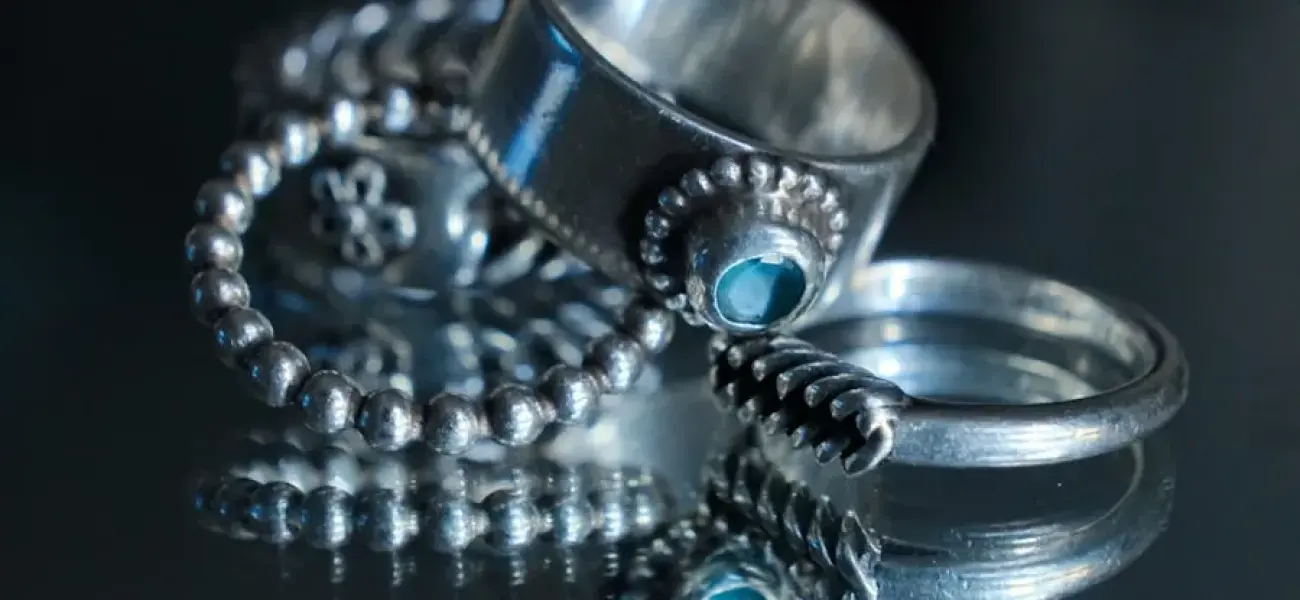
Why silver tarnishes, and why it is not a fault
Sterling silver is .925, which means 92.5 per cent pure silver and 7.5 per cent other metal, almost always copper. Pure silver on its own is too soft to hold a ring shape, so the copper is what makes the piece wearable. It is also what makes it tarnish.
Tarnish is a surface reaction between the metal and sulphur compounds in the air, in sweat, and in a long list of ordinary things: egg yolk, onion, wool, rubber bands, hot springs, some cosmetics. The result is a thin film of silver sulphide that reads as yellow, then grey, then nearly black. It sits on the surface only. Nothing is being eaten away, and nothing is lost when you clean it off.
Humidity accelerates it, which is why a piece bought in Bali and left in a bathroom in Jakarta or Singapore will darken faster than the same piece in a dry cupboard in Melbourne. It is also why almost every question we get about silver is really a question about storage.
What actually darkens silver on holiday
In our experience these three account for nearly every piece that comes back looking dull a fortnight after it was made.
Sunscreen and insect repellent
Both leave a film that holds sulphur compounds against the metal, and both go on several times a day in Bali. Put jewellery on after sunscreen rather than before, and rinse your hands before handling a ring.
Pools and the sea
Chlorine is harsher on silver than seawater and can dull a polish within a few swims. Salt water is gentler but leaves a residue. Neither will ruin a piece, but take rings off for the pool if you can and rinse in fresh water if you cannot.
Damp storage
A piece left on a bathroom shelf, in a wet toiletry bag, or loose in a humid drawer will tarnish faster than one worn every day, because skin contact keeps the surface moving. Silver genuinely prefers being worn.
The three-minute wash that fixes most of it
Warm water, one drop of plain washing-up liquid, and a soft toothbrush. Work over the whole piece including the inside of a band and the back of a setting, where skin oils collect. Rinse under running water, then dry completely with a soft cloth; a microfibre or an old cotton t-shirt is ideal and kitchen paper is not, because it scratches.
Drying properly is the step people skip, and it is the one that matters most in a tropical climate. Water left in a bezel or under a stone will do more harm over a month than a week of wear.
Then, for shine, a silver polishing cloth. These are impregnated with a mild polish on one side and are the single best thing you can own for silver: a minute of rubbing takes light tarnish off completely. They cost very little, last a year or two, and you should never wash one, because washing removes the compound that does the work.
For a piece that is worn daily, that is the whole routine. Wash it when it looks dull, cloth it when you want it bright, and otherwise wear it.
Bicarbonate paste, and the pieces you must not use it on
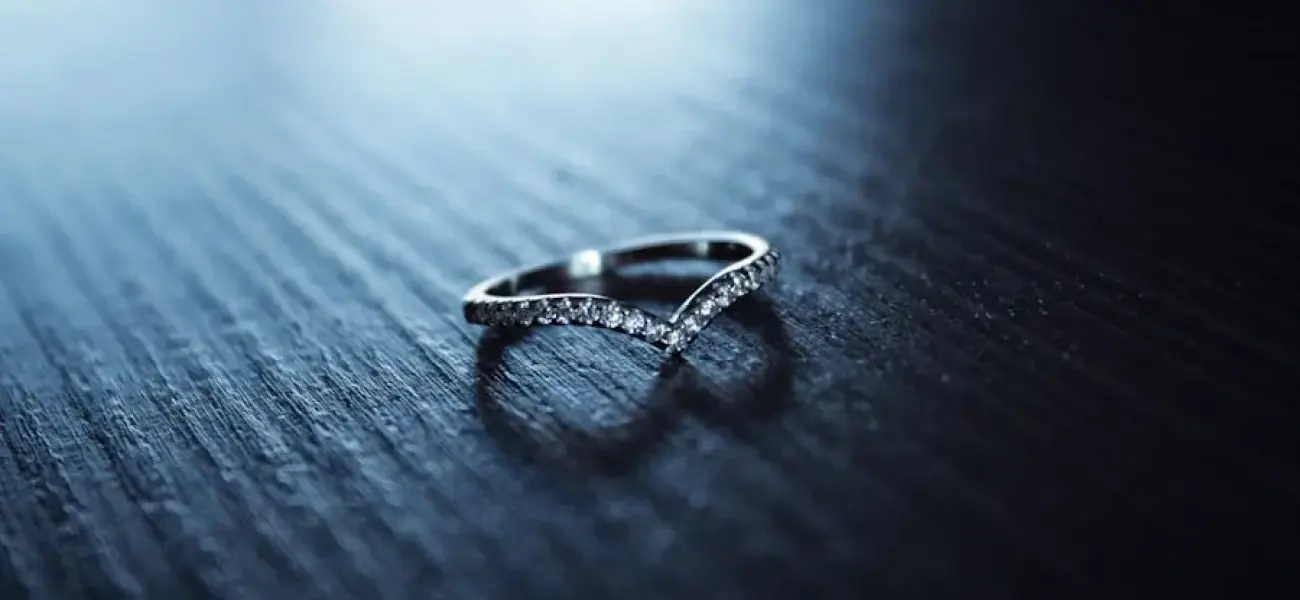
For a plain silver piece that has gone properly grey, make a paste from bicarbonate of soda and a little water, rub it on with your fingers or a soft cloth, leave it a minute, then rinse and dry. It is mildly abrasive and it works. An aluminium-foil-and-hot-water bath does a similar job by chemistry rather than abrasion, and either is fine on plain polished silver.
Now the warnings, because this is where pieces get damaged. Do not use bicarbonate, foil baths or any abrasive on an oxidised or blackened finish: that dark detail is deliberate surface chemistry and polishing strips it out, usually unevenly. Do not use it on gold plating, which is only microns thick and comes off. And keep it away from soft or porous stones.
Soft stones to protect: turquoise, larimar, moonstone, opal, pearl, amber and coral, all of which are porous or soft enough to be dulled, cracked or discoloured. Clean around them with a damp cotton bud and a trace of soap, never by soaking. Harder stones such as sapphire, zirconia, garnet, peridot and tourmaline tolerate a gentle wash without complaint, but the setting still should not be soaked for long.
If you are unsure which category your piece is in, the gemstones page lists hardness for the stones we set.
Four things that do more harm than good
Toothpaste
The internet favourite, and a bad idea. Modern toothpaste contains abrasives harder than silver, and it leaves a mesh of fine scratches that dull the surface permanently. Bicarbonate paste does the same job far more gently.
Dip-type chemical cleaners
The jars you drop a piece into for thirty seconds. They strip tarnish fast and indiscriminately, which means they also strip oxidised detail, plating and the darkened recesses that give a textured piece its depth.
Ultrasonic cleaners
Fine for plain metal, risky for anything set. The vibration can loosen a stone in a bezel or crack a soft one. Jewellers use them with judgement about which pieces go in.
Rubber, wool and newspaper
All three are sulphur-rich. A silver piece wrapped in a rubber band, stored in a wool pouch or rolled in newspaper will tarnish surprisingly quickly, and sometimes with a visible line where the material touched.
How to keep silver bright in a humid climate
Air is the problem, so remove it. A small zip-seal plastic bag with the air pressed out is genuinely as good as anything sold for the purpose, and it costs nothing. One piece per bag stops chains tangling and stops a hard stone scratching a softer one.
Two cheap additions make a noticeable difference: anti-tarnish strips, which absorb sulphur compounds and last a few months, and a silica gel sachet, which takes the moisture out. Keep both in the same box or drawer as the bags.
Where not to store it: the bathroom, which is the single most humid room in the house; an unsealed wooden box, because some woods release acids; and anywhere it sits in direct sun, which will not tarnish it but will fade softer stones.
And the simplest rule of all. A piece you wear often will stay brighter than one you keep safe, because contact with skin and clothing is a constant gentle polish. Silver is not a material that benefits from being saved for special occasions.
Oxidised surfaces, gold plating and set stones
An oxidised or antiqued finish is tarnish used on purpose: the smith darkens the whole surface, then polishes the high points back to bright silver so the recesses stay dark and the texture reads. Over time the high points will lighten further with wear, which is the intended behaviour, and the dark recesses should be left alone. Clean these with soap and water and a cloth on the raised areas only.
Gold plating is a very thin layer of gold deposited over the silver. It wears first where the piece rubs: the underside of a ring band, the edge of a pendant. That is normal rather than a fault, and a plated piece can be re-plated by any jeweller with a plating bath, usually for a modest fee. Avoid abrasives and chemical dips on plating entirely.
A bezel-set stone, where silver wraps around the edge of the stone, is the most secure setting and the easiest to live with. Prong settings hold more light but catch on fabric, so check the prongs with a fingernail every few months and have them tightened if one moves. If you ever lose a stone, the setting can almost always be repaired and refilled.
Anything you made at our bench in Sanur we are happy to look over and re-polish while you are still on the island; just message us. After that, any competent jeweller can clean, resize or re-plate a piece, because there is nothing unusual in how it was built.
Silver care: common questions
Does .925 sterling silver tarnish?
Yes, and it is supposed to be able to. The 7.5 per cent copper that makes sterling strong enough to wear is what reacts with sulphur in the air. Tarnish is a surface film and polishes straight off.
Can I shower or swim with silver jewellery?
Showering is fine, though soap residue will dull it over time. Chlorinated pools are the harshest and worth taking rings off for. Seawater is gentler but rinse in fresh water afterwards and dry the piece properly.
Does toothpaste clean silver?
It removes tarnish but it scratches the surface, because the abrasives in toothpaste are harder than silver. Use warm water with a drop of dish soap, then a silver polishing cloth, or a bicarbonate of soda paste for heavier tarnish.
How do I clean silver with stones in it?
Wash around the stone with a damp cotton bud and a trace of soap, and do not soak the piece. Avoid abrasives and chemical dips near turquoise, larimar, moonstone, opal, pearl, amber or coral, all of which are soft or porous.
How do I stop silver tarnishing in storage?
One piece per zip-seal bag with the air pressed out, plus an anti-tarnish strip and a silica gel sachet in the same box. Keep it out of the bathroom, and wear the piece regularly, which keeps it brighter than storing it.
Can tarnished silver be restored?
Almost always, and easily. Light tarnish comes off with a polishing cloth, heavier tarnish with bicarbonate paste on plain silver. Only oxidised finishes and gold plating need care, because aggressive cleaning removes them.
Make a piece worth looking after
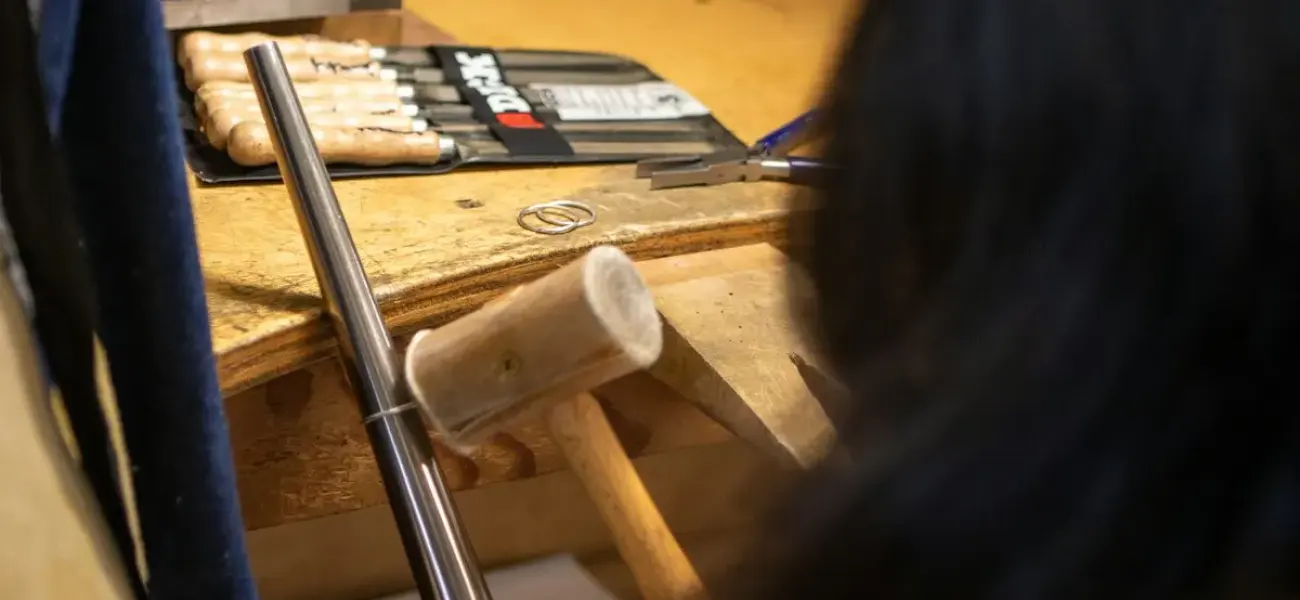
One to two hours at the bench in Sanur, and it leaves on your hand. We will show you how to keep it bright before you go.