Things to Do in Sanur, Bali: A Slow-Paced Day Plan
Sanur is the quiet end of south Bali: a flat paved beachwalk, sunrise over the water, and very little that needs booking a week ahead. Here is how we would spend a day here, written by the people who work on Jl. Pasar.
Sunrise, because Sanur faces the right way
Sanur sits on the east coast, which makes it the one major beach strip in south Bali where the sun comes up out of the sea rather than setting into it. If you only do one thing here, do this one: be on the sand by about half past five and you will have the water to yourself except for the fishing boats coming back in.
The beachwalk runs for several kilometres of flat paved path, from Mertasari in the south up past Segara Ayu to Matahari Terbit in the north. No cars, no scooters, almost no gradient. By six it fills with walkers, joggers, cyclists and the warungs putting out plastic chairs, and by eight the light has gone hard and most people have moved on to breakfast.
Matahari Terbit, at the northern end, is where the fast boats leave from and where the sunrise crowd gathers. Segara Ayu in the middle is the easiest to reach on foot from most hotels. Mertasari, at the southern end, is the wide open one and the place people fly kites in the afternoon.
Three easy ways to spend the next few hours
Nothing here needs a guide, a ticket queue or a full day. Pick one and you will still be back at the hotel for lunch.
Pasar Sindhu morning market
An actual working market on Jl. Danau Tamblingan rather than a souvenir hall. Busiest from about six to ten: tropical fruit, fried snacks, offerings, flowers, and vendors who will let you taste things. Bring small notes and go early, because the good stalls sell out.
Rent a bicycle
Sanur is flat and the beachwalk is closed to traffic, which makes it one of very few places in Bali where cycling is genuinely relaxing. Most hotels and a dozen small shops on Jl. Danau Tamblingan rent by the hour or the day, and you can ride the whole strip and back in under two hours.
A boat to Nusa Penida or Lembongan
The fast boats leave from Sanur harbour at Matahari Terbit and cross in roughly thirty to forty-five minutes, which is why so many people base themselves here. Take the first boat out and the mid-afternoon one back, and the island is a comfortable day trip rather than a rush.
What to do when the beach gets too hot
Between about eleven and three the sand is unpleasant and the sea is warm enough to be unrefreshing. This is the part of the day most itineraries get wrong, and it is the part Sanur is quietly good at, because almost everything indoors here is within a few minutes of the beachwalk.
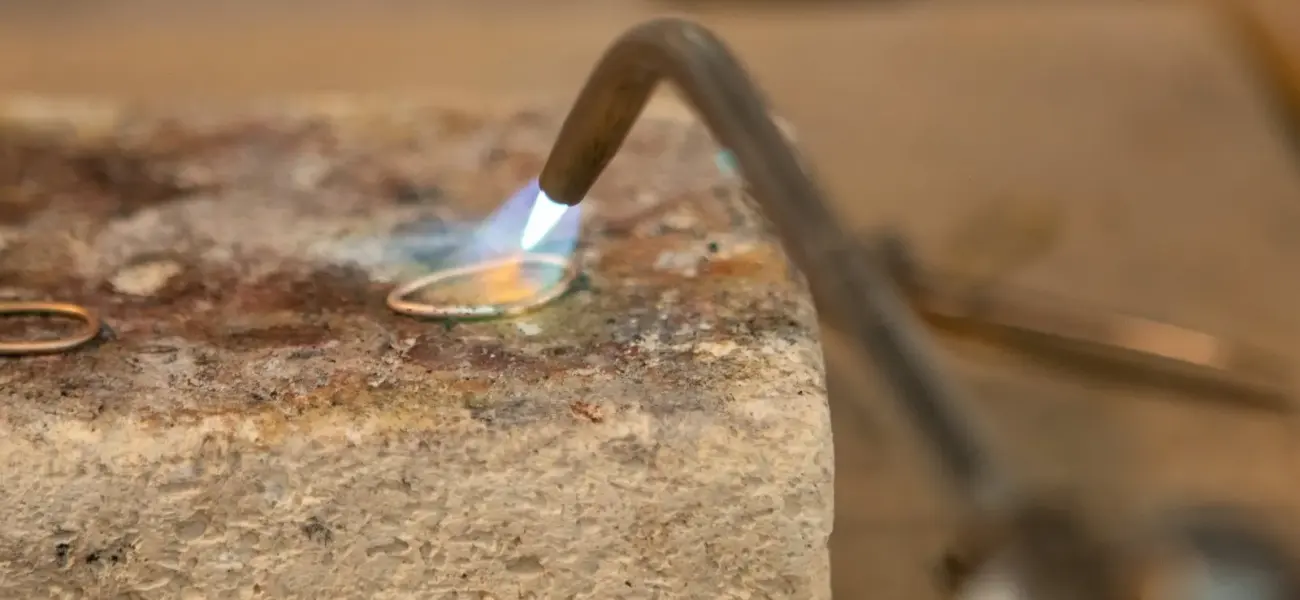
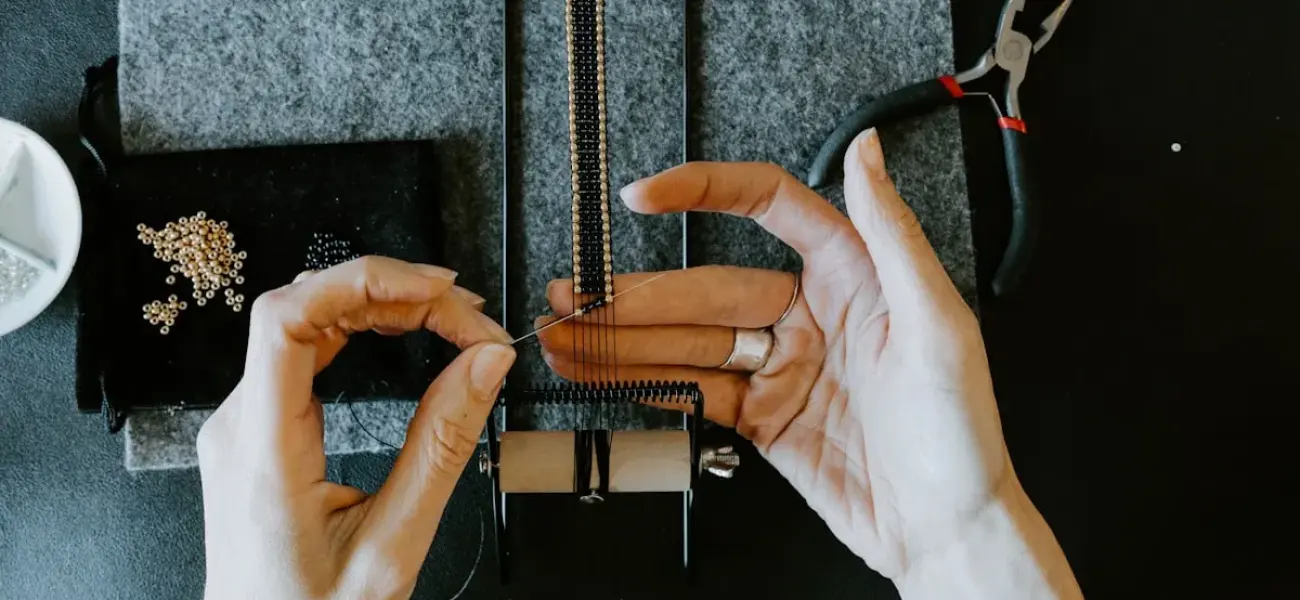
A silver making class is the obvious one, and not only because it is what we do. It runs one to two hours entirely indoors at a bench, you come out with a .925 sterling silver ring or pendant you made yourself, and it works just as well on a wet afternoon as a hot one. We are on Jl. Pasar, about ten minutes on foot from the beach, and prices start at IDR 500K. The kids class takes children from five.
Two other indoor options worth knowing: the Museum Le Mayeur, the small former home of the Belgian painter who lived here in the 1930s, sits right behind Segara Ayu beach and takes about half an hour. And Sanur has an unusually high concentration of straightforward, inexpensive spas along Jl. Danau Tamblingan, most of which will take a walk-in.
If you have a car for the day, the Bali Orchid Garden out on the bypass road towards Tohpati is ten minutes north and almost always empty.
Where the rest of the day goes
Mertasari and the kites
The southern end of the beach is wide, shallow and breezy, and from roughly June to September the sky above it fills with enormous Balinese kites. Late afternoon is the time, and there are warungs on the sand for a cold drink while you watch.
The night market
Pasar Sindhu turns over in the evening and becomes a food market: satay, grilled fish, martabak, bakso. It is where people from Sanur actually eat, prices are in rupiah thousands rather than tens of thousands, and it is the cheapest good dinner in the area.
Dinner on Jl. Danau Tamblingan
The main street is a long run of restaurants covering Balinese, Indonesian, Italian, Japanese and a lot in between, most of them family-run and none of them requiring a booking. Sanur has no club strip, so the street is finished by about ten.
Why families end up in Sanur rather than Kuta
Sanur beach is protected by a reef a few hundred metres out, which flattens the swell almost completely. At high tide it is a calm shallow lagoon with no surf and no rip, and at low tide the water pulls back far enough to walk out on the sand flats and look at what is left behind in the pools. For anyone with small children that is the whole argument.
The paved beachwalk takes pushchairs, scooters and training wheels without a single road crossing. Most of the hotels along it are low-rise and have a pool a few steps from the path. And because Sanur has no nightlife district, the streets are quiet by mid-evening, which matters more than people expect when children are going to bed early.
For a rainy afternoon or the middle of a hot day, our kids silver class takes ages five to eleven at a bench set to their height, with blunt tools and the torch work kept with the smith. It runs one to two hours and they leave wearing something they made. Older children generally prefer the single class, where they do the soldering themselves.

Getting here, getting around, and when to come
From Ngurah Rai airport, Sanur is about twenty-five to thirty-five minutes by car depending on the traffic through Sanur Kaja. From Kuta or Seminyak allow thirty to forty-five, from Ubud about an hour, and from the Nusa Penida and Lembongan boats at Matahari Terbit, ten minutes to anywhere in Sanur.
Once you are here you will barely need a vehicle. The beachwalk and Jl. Danau Tamblingan cover almost everything on foot or by bicycle, and Grab and Gojek both work normally in Sanur for anything further. Scooter rental is widely available but the bypass road is genuinely busy, so it is not the place to learn.
Any time of year works. The dry season from roughly May to September brings the kites and the clearest water; the wetter months from November to March usually mean a heavy shower in the afternoon rather than all-day rain, which is exactly when an indoor hour or two earns its place. Sanur is busiest in July, August and over Christmas and New Year, and noticeably quiet either side of those.
Sanur: common questions
Is Sanur worth visiting?
If you want a calm base with a swimmable lagoon, a traffic-free beachwalk, good food and easy boats to the Nusa islands, yes. If you came to Bali for surf and nightlife, Canggu or Kuta will suit you better.
Is Sanur good for families with young children?
It is probably the best area in south Bali for it. The reef keeps the water flat and shallow, the beachwalk is paved and car-free, the hotels are low-rise, and the whole place is quiet by mid-evening.
How many days should I spend in Sanur?
Two or three is enough to see Sanur itself. Four to six if you are using it as a base for day trips to Nusa Penida, Lembongan, Ubud or the east coast, which is what most repeat visitors do.
Is Sanur or Kuta better?
They are opposite ends of the same island in more than one sense. Kuta is busy, young, surf-driven and loud; Sanur is quiet, flat, family-heavy and finished by ten. Neither is better, but they suit very different trips.
Can you swim at Sanur beach?
Yes. The reef flattens the waves, so it is a calm lagoon rather than a surf beach. At low tide the water retreats a long way, so check the tide if swimming matters to you that day.
What is there to do in Sanur when it rains?
A silver or brass making class, a spa, the Museum Le Mayeur, or the restaurants along Jl. Danau Tamblingan. The class is entirely indoors at a bench, so rain makes no difference to it at all.
An hour out of the sun, with something to show for it
We are on Jl. Pasar, ten minutes from the beachwalk. Tell us your dates and how many of you there are, and we will hold a bench.