Bali Souvenirs Worth Buying, and What to Skip
Some of what is sold to visitors here is made a few kilometres away by people who have done it for generations. Some of it was shipped in by the container. This is how to tell the difference before you pay.
What makes a souvenir worth the suitcase space
Three questions sort almost everything on a Bali souvenir shelf. Was it made on this island? Will you actually use it or wear it at home? And can you verify what it is before you hand over the money? Anything that fails all three is a magnet with a beach printed on it.
The first question matters more than it sounds. Bali has real craft villages with real specialities: Celuk for silver and gold, Mas for wood carving, Tenganan and Sidemen for weaving, Batubulan for stone. A piece from one of those places carries a technique. A piece from a wholesale market may have come from Java, China or Vietnam, and nobody in the shop will necessarily know which.
The second question is the one travellers forget. A beautiful hand-woven endek scarf gets worn. A two-metre carved mask usually gets put in a cupboard. Buy small, buy things with a use, and buy fewer of them.
Six things actually made here
Handmade silver from Celuk
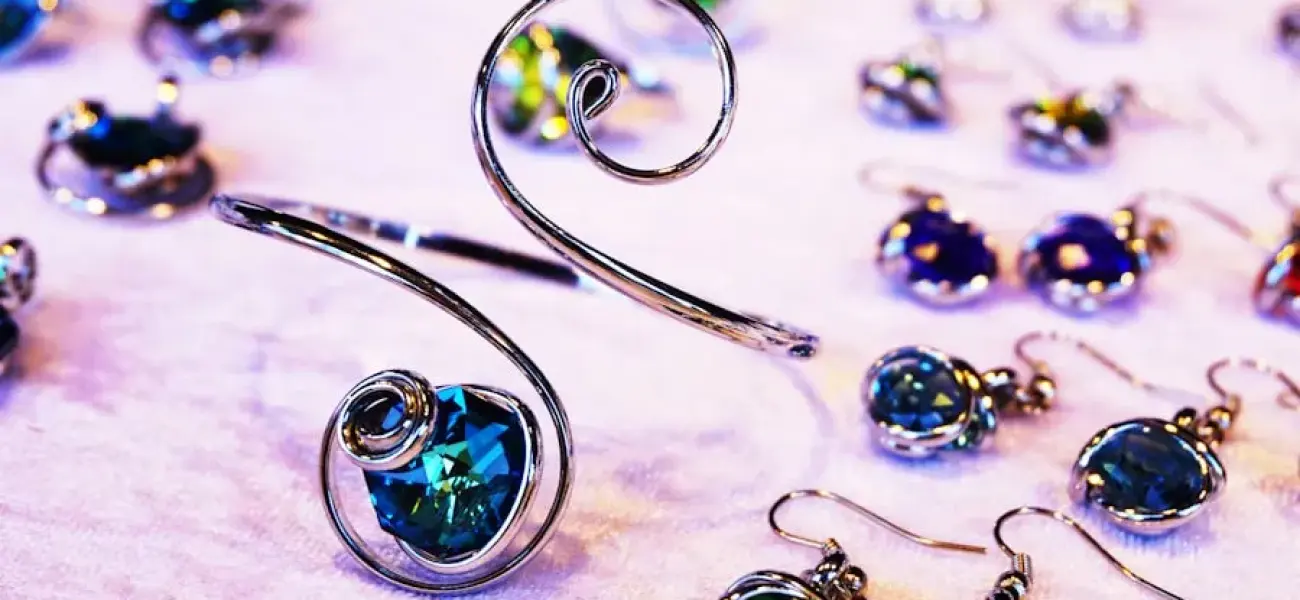
Celuk, just south of Ubud, has been a silver and goldsmithing village for generations, and most silversmiths working anywhere in south Bali trained there. Properly made .925 sterling pieces are light to carry, wearable at home and still far cheaper than the equivalent in Europe or Australia.
Balinese textiles
Endek is the island weave, with a pattern dyed into the threads before weaving; songket adds metallic thread. Hand-woven pieces cost several times what a printed imitation costs, and the difference is obvious once you turn the fabric over and look at the reverse.
Wood carving from Mas
The village of Mas on the road to Ubud is the carving centre. Look for a single piece of wood rather than glued sections, tool marks on the inside of hollows, and a workshop out the back. Small animals and panels travel far better than large figures.
Three more that are easy to carry
Single-origin coffee and cacao
Kintamani and Pupuan arabica, and Balinese cacao, are both genuinely good and both vacuum-pack flat. Buy whole beans from a roaster with a date on the bag rather than the luwak coffee sold at viewpoints, which is expensive and frequently unethical.
Ata and rattan basketwork
Ata grass bags and boxes are woven in the east of the island and smoked over coconut husk to harden them, which is why they are the colour they are. They crush far less than you would expect and a good one lasts years.
Natural soap, coconut oil and essential oils
Cheap, light, used up at home rather than stored, and made locally by a lot of small producers. Check the ingredient list for an actual oil rather than fragrance, and pack liquids in checked baggage.
How to tell real silver from plated or nickel
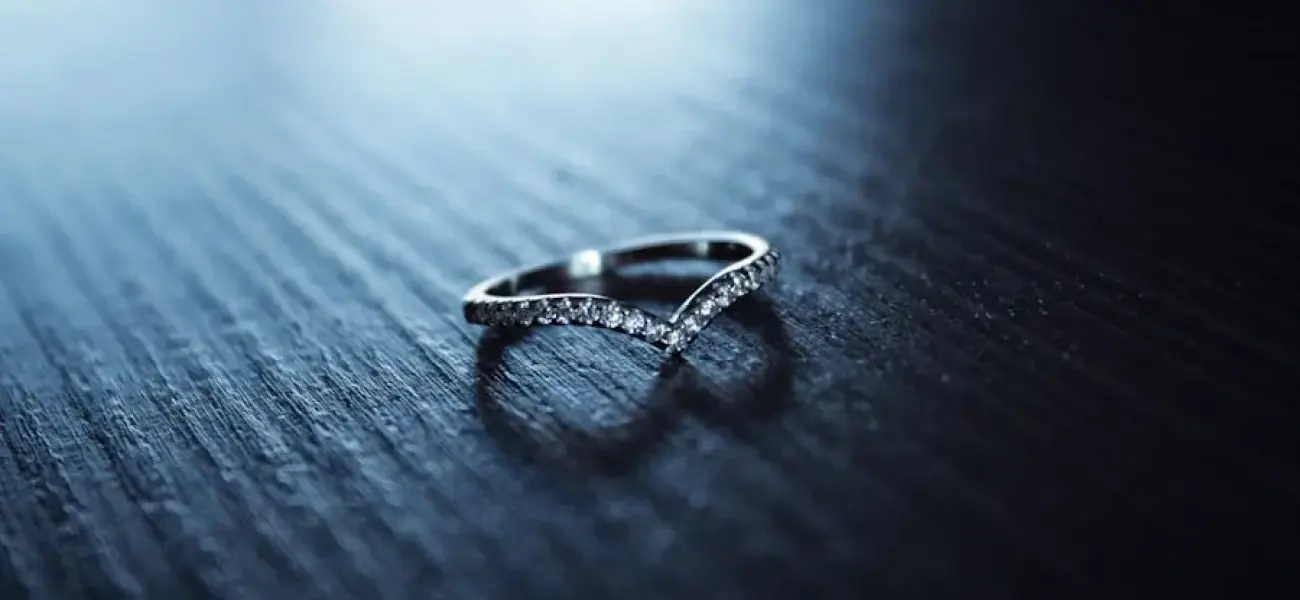
Look for a .925 stamp, usually inside a ring band or on the back of a pendant. It is not proof on its own, because stamps can be applied to anything, but its absence on a piece being sold as sterling is a reason to walk away.
Then pick it up. Silver is dense, and a sterling ring has a heft that plated brass or stainless steel does not. Hold a magnet near it if you have one: silver is not magnetic, so anything that pulls towards a magnet is steel or an alloy with iron in it.
Ask two questions out loud: what does it weigh, and what is the price per gram. A silversmith will answer both without hesitating, because that is how the trade actually prices work. A stall that cannot tell you the weight is not selling you silver by weight.
One counter-intuitive sign: real sterling tarnishes. If a bracelet has been hanging in humid air for months and still looks factory-bright, it is almost certainly plated or coated. Tarnish is a surface reaction that polishes straight off, and it is evidence rather than a defect.
If you react to cheap jewellery, the culprit is usually nickel, which is common in plated pieces and absent from proper sterling, where the other 7.5 per cent is copper.
Three popular buys that usually disappoint
Silver bracelets from beach hawkers
The ones carried along the sand in a cloth roll are almost always plated or nickel, and the stated weight is rarely the real one. There is nothing wrong with buying one as a holiday trinket, but do not pay silver prices for it.
Antique masks, coins and statues
A genuinely old Balinese ritual object is unlikely to be for sale on a shop floor, and in some cases exporting one is restricted. What is usually on offer is new work artificially aged with stain and smoke, priced as though it were not.
Counterfeit branded goods
Fake sunglasses, watches, football shirts and bags are everywhere and they are a genuine risk at the other end: customs in Australia, the EU, the UK and the US can seize counterfeits, and in some countries fine you for them.
Or make the souvenir yourself
The one thing nobody else at home will have is something you made. A silver making class takes one to two hours, and you walk out wearing a .925 sterling ring, pendant or bracelet that you sawed, shaped, soldered and polished yourself. Prices start at IDR 500K for the brass class and IDR 600K for sterling silver, materials included.
It solves the verification problem too, because you watched the silver get weighed and you know exactly what is in the piece. If you want colour in it, you can set a gemstone yourself for IDR 200K: zirconia, garnet, moonstone, turquoise, sapphire and a few more, chosen from the tray at the bench.
Couples usually make a matching pair with a date stamped inside the band, which is the couple class. Children from five have their own shorter class. We are on Jl. Pasar in Sanur, ten minutes on foot from the beachwalk, open daily from 9am to 5pm.
Bargaining, packing and getting it home
Markets and street stalls expect a negotiation; shops with printed price labels generally do not, and pushing hard in one is read as rude. In a market, a friendly counter at somewhere around half to two thirds of the opening number is normal, and walking away politely is a completely acceptable move rather than an insult.
Pay in rupiah and in cash at markets, and keep small notes: a vendor who has to find change for a 100,000 note has lost the discount you just negotiated. Card machines are common in fixed-price shops, and some add a few per cent.
For packing, silver goes in a small zip bag with the air pressed out, which slows tarnish on the flight and stops it scratching. Wooden and plant-fibre items are the ones to think about: Australia and New Zealand both require you to declare them, and they are usually waved through once declared but can be treated or seized if they are not. Liquids go in checked baggage.
Keep receipts for anything substantial. Some countries have a duty-free allowance that a large silver or textile purchase can exceed, and a receipt makes that conversation short.
Bali souvenirs: common questions
What should I buy in Bali?
Things made on the island and small enough to carry: handmade silver, hand-woven endek textiles, wood carving from Mas, local coffee and cacao, ata basketwork, and natural oils and soaps.
Is the silver sold in Bali real?
Much of it is, and Bali has a long silversmithing tradition centred on Celuk. Plenty is also plated or nickel. Check for a .925 stamp, feel the weight, test with a magnet, and ask for the weight and the price per gram.
Where is the best place to buy silver in Bali?
From a workshop rather than a stall. Celuk is the traditional village, and there are working silversmiths in Sanur, Ubud and Seminyak. Buying from somewhere that makes the pieces on site means you can ask about weight and purity and get a real answer.
Is it rude to bargain in Bali?
Not in a market or at a street stall, where it is expected and usually good-humoured. In a shop with printed prices it is, so read the room. Stay friendly either way, and be willing to walk away.
Can I take wooden souvenirs home?
Usually yes, but declare them. Australia and New Zealand in particular have strict biosecurity rules for wood, seeds, shells and plant fibre. Declared items are normally fine; undeclared ones can be confiscated and fined.
What souvenirs should I avoid in Bali?
Counterfeit branded goods, which can be seized at your own border; silver bought by weight from beach hawkers; items sold as genuine antiques; and anything large enough that you will resent carrying it.
Make the one souvenir nobody else has
One to two hours at our bench on Jl. Pasar in Sanur, and you leave wearing it. Tell us your dates on WhatsApp.